


Business Planning & Strategy, Financial Models
Plumbing Business Model: Startup Costs & Revenue Opportunities
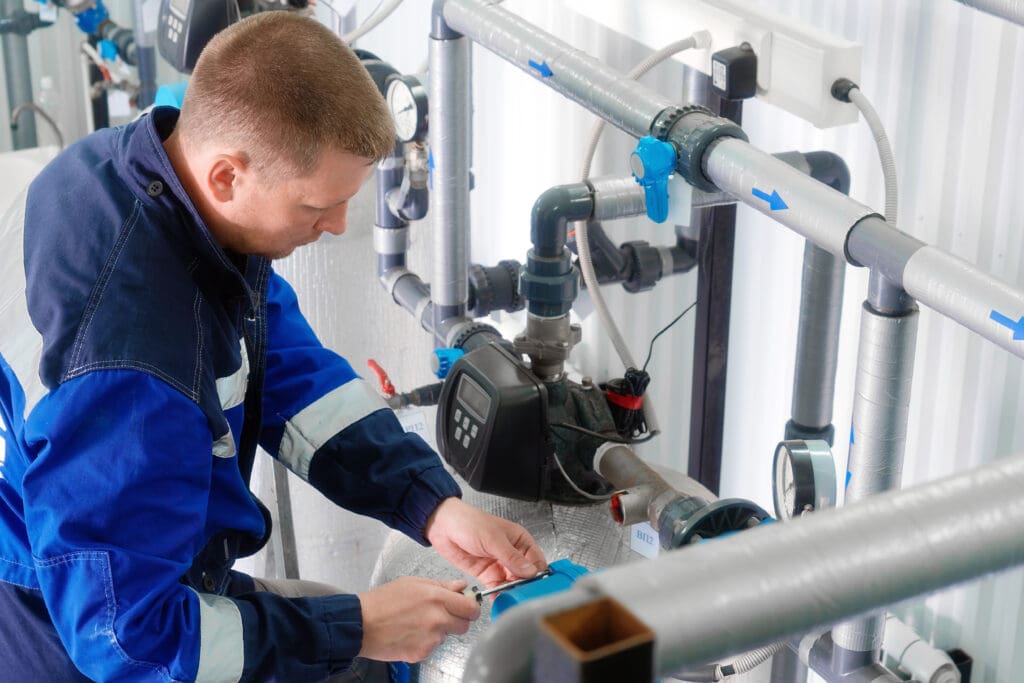
A plumbing business operates in a licensed, high-ticket, project-variable model where profitability is driven by technician efficiency, job scheduling, and markup discipline on parts and labor. Unlike handyman services, plumbing commands premium rates due to code compliance, emergency responsiveness, and technical complexity. The challenge lies in converting skilled labor into billable hours at high utilization while managing material costs, travel time, and administrative drag.
Asset Configuration
CapEx is moderate and geared toward vehicles, tooling, inventory, and software. A solo operator or two-truck setup can service 3–5 jobs per day, depending on job type and distance. Licensure and insurance are non-negotiable and vary by state.
| Asset Category | Cost Range (USD) | Notes |
|---|---|---|
| Service Vans (1–2 used or leased trucks) | 40,000 to 60,000 | Stocked with pipe, fittings, diagnostic tools, sewer equipment |
| Professional Tooling (power tools, scopes) | 10,000 to 15,000 | Inspection cameras, augers, pipe threaders, soldering kits |
| Software: Dispatch, Estimating, Billing | 3,000 to 6,000 | Invoicing, route optimization, work order tracking |
| Inventory Starter Kit | 4,000 to 6,000 | Common fittings, valves, joints, pipe, seals |
| Uniforms, Website, Licensing, Bonding | 3,000 to 5,000 | Must project professionalism, trust, and legal compliance |
Total CapEx: 60,000 to 92,000 USD for a fully operational, compliant, two-truck plumbing business.
Revenue Model
Revenue is driven by emergency repairs, fixture installations, new construction rough-ins, and maintenance contracts. Jobs range from $150 service calls to $7,000+ repiping projects, with material markup and labor driving margins.
Annual Revenue Potential – 2 Trucks, 4 Jobs/Day Avg.
| Revenue Stream | Volume Assumption | Annual Revenue (USD) |
|---|---|---|
| Residential Service Calls (avg. $450) | 500 jobs/year | 225,000 |
| Water Heater, Fixture, Drain Installs | 150 installs/year at $1,500 | 225,000 |
| Emergency Plumbing & After-Hours Work | 100 jobs/year at $650 | 65,000 |
| Repiping / Remodel / Large Projects | 30 projects/year at $4,500 | 135,000 |
| Maintenance Contracts (multi-family, HOAs) | 60 clients at $1,200/year | 72,000 |
| Total | 722,000 |
Operators in urban areas or with strong commercial accounts can scale to $1M+ in revenue with just 3–4 trucks. Owner-operator models typically earn $250,000–$400,000/year.
Operating Costs
Labor is the largest cost, followed by parts, fuel, and marketing. High-performing firms control non-billable hours, material sourcing, and vehicle dispatch. Software and automation are essential to preserve margins.
| Cost Category | Annual Cost Range (USD) |
|---|---|
| Plumber Wages or Owner Compensation | 180,000 to 220,000 |
| Vehicle Fuel, Maintenance, Insurance | 20,000 to 25,000 |
| Parts, Fittings, and Supplies | 90,000 to 120,000 |
| Business Insurance, Licensing, Bonding | 8,000 to 12,000 |
| Marketing, Lead Generation, Website | 10,000 to 18,000 |
| CRM, Invoicing, Dispatch Tools | 6,000 to 8,000 |
| Total Operating Costs | 314,000 to 403,000 |
EBITDA = 722,000 – 314,000 to 403,000 = 319,000 to 408,000 USD
EBITDA Margin = 44.2% to 56.5%
Firms that reduce return visits, upsell efficiently, and dispatch with precision can sustain 50%+ margins. Margin declines rapidly with service inefficiencies or underpricing complex jobs.
Profitability Strategies
Plumbing profitability depends on billable utilization, markup discipline, and service flow management, not just technician skill.
1. Drive Revenue per Technician Hour
Technician hours must yield at least $150–$200/hour in billed revenue. Use software to monitor underperforming routes or time slippage on jobs. Reduce jobs with low average ticket unless they serve a higher LTV purpose.
2. Pre-Stock Vans and Track Material Variance
Stock vans with the top 80% of parts needed. Track part usage vs. invoice. Material leakage or overuse can erode 5–10% of margin annually. Renegotiate supplier terms based on monthly volume benchmarks.
3. Create Flat-Rate Pricing for 80% of Jobs
Offer a standard menu of services with bundled pricing (e.g., “Toilet Install – $389” including materials). This enables faster quoting, avoids pricing friction, and supports upselling while protecting gross margin.
4. Prioritize High-Margin Emergencies
After-hours or emergency calls should command 30–50% higher pricing. Make availability and rapid dispatch a core differentiator. Upsell follow-on upgrades (e.g., valve replacements, water filtration) post-repair.
5. Build Recurring Revenue with Maintenance Plans
Offer homeowners and HOAs maintenance contracts: annual drain cleaning, water heater flushes, and leak checks. These build base revenue, reduce seasonality, and create leads for high-ticket jobs.
So what?
A plumbing business is a technician-leveraged, logistics-intensive, service monetization model. Profit comes from managing time, parts, and pricing—not just turning wrenches. Operators who systematize quoting, optimize dispatch, and maximize technician output can achieve 44 to 56 percent EBITDA margins on $700K+ revenue, with CapEx under $95K. In this business, every truck is a P&L—and structure turns pipes into profit.

Starting and managing a plumbing business involves a complex mix of financial decisions, and having the right tools can make a significant difference. To help you navigate your business finances with ease, SHEETS.MARKET offers a comprehensive Plumbing Services Financial Model Template that will simplify your business’s budgeting, forecasting, and profitability analysis.
