Archivos de Categoría: Financial Models

Construir, analizar y optimizar modelos financieros para empresas e inversiones.

Modelo de negocio de clubes de pádel: costes, potencial de ingresos y demanda del mercado
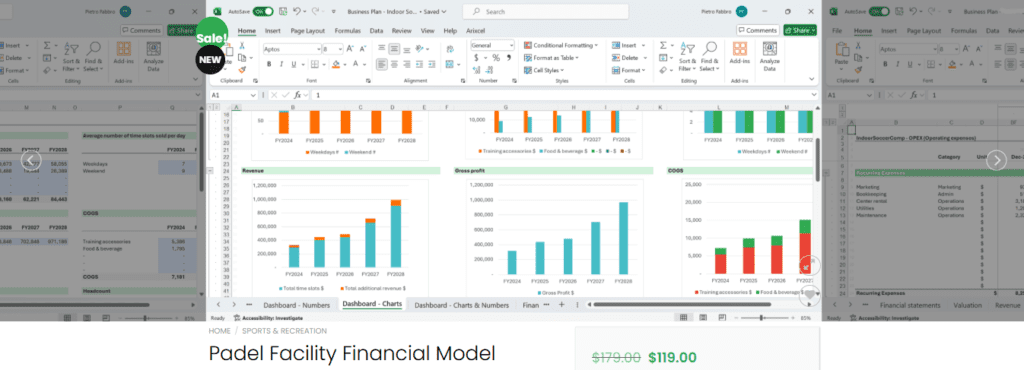
Modelo de negocio del club de pádel

Padel clubs operate in a fast-growing recreational segment that blends social sport, fitness, and community-driven engagement. With low skill-barrier, high frequency potential, and strong group appeal, demand is rising across Europe, Latin America, and increasingly North America. However, profitability is determined not by court count but by utilization rates, multi-revenue layering, and structured member retention.
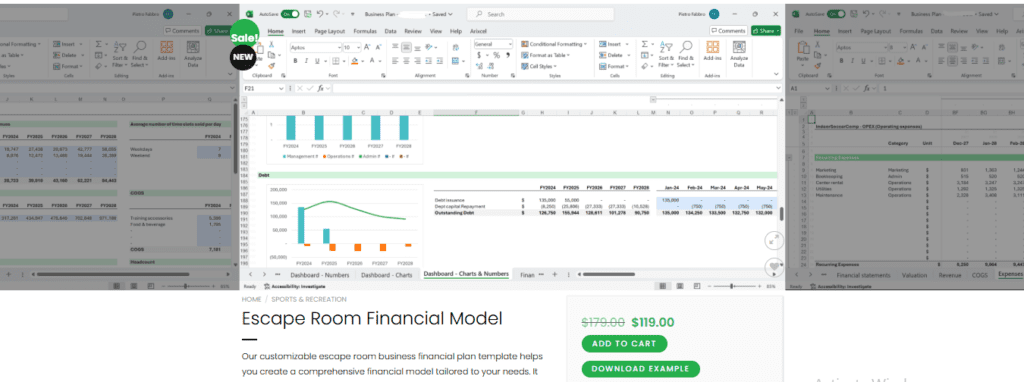

Modelo de negocio de Escape Rooms: Costos, márgenes de beneficio y tendencias del mercado

Modelo de negocio de Escape Room

Escape rooms operate in a fixed-capacity, appointment-based entertainment niche where revenue is generated by selling immersive, time-bound group experiences. The business model is capital intensive but offers high margins once occupancy is optimized. Profitability is constrained by physical throughput and therefore, operators must focus on room utilization, group size maximization, and multi-revenue layering through events,

Modelo de negocio de bolera: costes de puesta en marcha, precios y potencial de ingresos

Modelo financiero del negocio de bolera

Bowling alleys operate in a high-capacity, group-driven entertainment model with built-in throughput and wide demographic appeal. While lanes are the core asset, profitability is driven by food & beverage (F&B) margins, league retention, and event monetization. Many alleys suffer from underutilized space or outdated formats—successful operators treat bowling as a platform for multi-spend experiences, not

Rentabilidad de los gimnasios CrossFit: análisis de costos e ingresos

Modelo financiero del gimnasio CrossFit

CrossFit gyms operate in a niche, high-intensity segment of the fitness market with loyal communities and consistent attendance cycles. The model combines structured programming, small-group coaching, and community engagement to drive retention and pricing power. While class capacity is limited, profitability is driven by high average revenue per member (ARPM), coach utilization, and semi-fixed cost

Rentabilidad de los gimnasios de escalada: análisis de costos e ingresos

Modelo financiero del negocio de gimnasio de escalada en roca

Rock climbing gyms operate at the intersection of sport, lifestyle, and community, combining elements of fitness, challenge, and social interaction. While build-out is capital-intensive, profitability hinges on wall utilization, membership retention, and programmed monetization (instruction, events, youth programs). Most gyms face high fixed costs, but those that structure operations for throughput, coaching revenue, and retail

La economía de un gimnasio: estructuras de costos, modelos de ingresos y palancas de rentabilidad

Modelo de negocio de gimnasio

La industria del fitness presenta una gran oportunidad de ingresos, pero sigue siendo compleja desde el punto de vista operativo. Si bien la demanda de membresías de gimnasios se mantiene fuerte, la rentabilidad suele verse limitada por los altos costos fijos, la pérdida de socios y los precios competitivos. Un modelo de negocio estructurado es esencial para lograr márgenes sostenibles. Configuración de activos: Los negocios de gimnasios requieren una inversión inicial significativa en bienes raíces, equipos e interiores.

Rentabilidad de una heladería: un análisis de un modelo de negocio estructurado

Modelo financiero del negocio de heladería

Ice cream shops operate in a low-ticket, high-frequency segment of the food retail market. Demand is seasonal but emotionally driven, with strong foot traffic during warm months and event-based spikes. While gross margins are attractive, profitability depends on foot traffic density, menu engineering, and operational simplicity. Top operators succeed by productizing portion sizes, streamlining labor,

Rentabilidad de las instalaciones de tenis: costos operativos y flujo de ingresos

Modelo financiero del negocio de instalaciones de tenis

Tennis facilities operate in a premium, skill-based sports segment with predictable seasonal demand and high customer loyalty. While revenue per square foot is lower than fitness alternatives, profitability is unlocked through court utilization, coaching monetization, youth programming, and membership layering. Most clubs struggle when reliant on court rentals alone—top operators integrate instruction, events, and retail

Modelo de negocio de electricista: costos iniciales y nichos más rentables

Modelo financiero del negocio de electricistas

An electrician business operates in a regulated, high-trust segment of the trades and maintenance industry. Demand is resilient across residential, commercial, and industrial segments—fueled by renovations, energy retrofits, code compliance, and growing EV infrastructure. While technical skill drives credibility, profitability depends on crew utilization, job batching, and value-based pricing. Scalable operators build around scheduling discipline,

Modelo financiero del negocio de pintura: ingresos, costos y rentabilidad

Negocio de pintura de casas

Updated October 2025 A painting business operates in a labor-intensive, CapEx-light model where profitability depends on job turnover speed, crew utilization, and quote precision. The core value proposition is visual transformation, but the underlying economics are driven by square footage yield per day, seasonal backlog, and labor management. While often viewed as commoditized, painting is


¿Quieres ocultar esta ventana emergente?